• Home
  • About
    • Author
    • Satsuma Biru
  • Categories
    • Travel
    • Culture
    • Live Hack
  • Countries
    • Australia
    • Indonesia
    • Japan
    • South Korea
  • Language
    • 日本語
    • English
    • Bahasa
  • Others
    • FAQ
    • miscellaneous
    • blog walking
linkedin facebook twitter instagram pinterest bloglovin Email

Satsuma Biru

Ikatlah Ilmu dengan Menuliskannya - Ali bin Abi Thalib -

This time,  I will share my trip to Malioboro (Special Region of Yogyakarta) that actually not so far away from my hometown. Because I visit there often, I never have serious effort to take proper documentations 😅

I have never consider Malioboro as a place that would attract tourist visitor because I often visit this place at least three times in a year. One day I moved to Bogor for my study, and my university friends eagerly want to visit Malioboro on the way back of our study tour. Is Malioboro that famous? I surprised.

Malioboro is very famous location in the heart of Yogyakarta City. It just southern part right after the railway of Yogyakarta (Tugu) Station. To get here, you can take direct train from other city that stop at Yogyakarta (Tugu Station) or take an airport train (kereta bandara) from Yogyakarta International Airport that bound for Tugu Station. At the exit gate, walks to the eastern direction for 5 minutes then you will find a street named Malioboro.
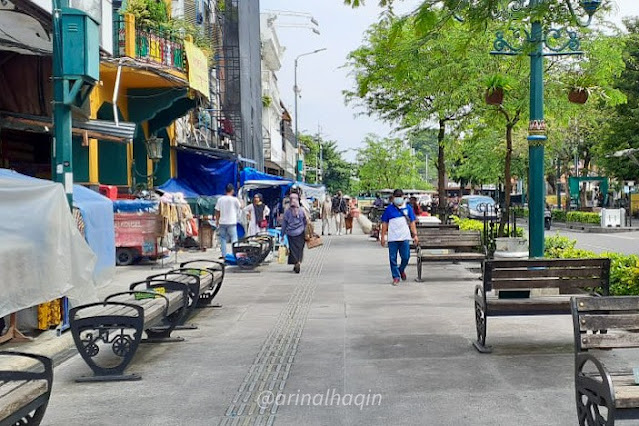
Malioboro's Pedestrian Strees
Pedestrian Street in Malioboro

Yes, actually Malioboro is name of a street. However, you can find a lot of street vendors that sell clothes, herbs (jamu), souvenirs, etc. You will find a lot of stuff is sold with high price, but I tell you the secret that you should bargain at least 1/3 times from the initial price. That's how it works.

You can also find traditional stalls (angkringan or hik) that sell local foods. Enjoying angkringan foods with black coffee may be the best way to feel the local wisdom. If you are looking for Gudeg (the jackfruit curry, the specialty food of Yogyakarta), it's better to look for a restaurant. 
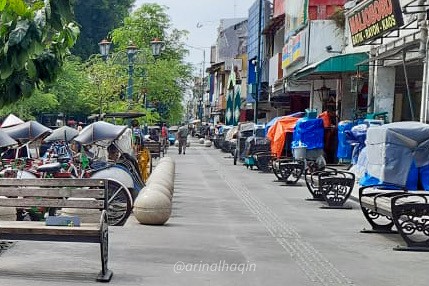
Malioboro's Pedestrian Street 2
Other side of pedestrian where becak make a stop

You may wonder why there are a lot of pedicab or cycle rickshaw? The locals call it becak. It is human-drawn carriage that several years ago still popular in Indonesia. Recently the number of becak decreasing, even I forgot when the last time I used this kind of transportation. I am not sure what the reason, may be because the increasing of bike taxi or ojeg online popularity. But here, you can still find some of them.
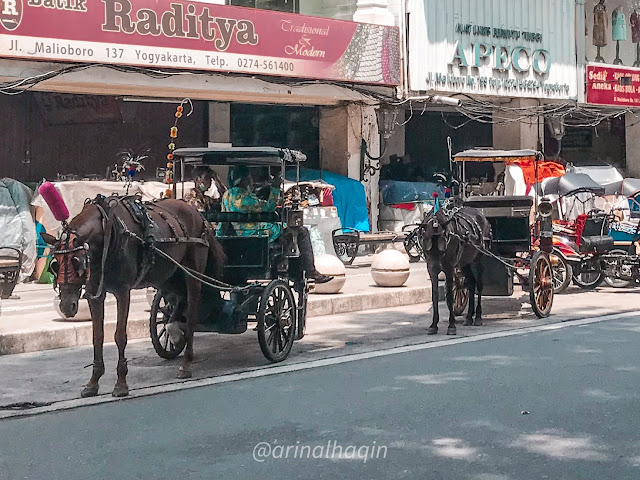
Kereta Kuda in Malioboro
Kereta kuda that waiting for the customers

Every time I visit Malioboro, I interested in the horse-drawn carriage or kereta kuda in Bahasa Indonesia and locals call it in Javanese Language as andong, dokar or bendi. The horse-drawn carriage is one type of traditional transportation in Indonesia, I used this transportation in my home town when I was a kindergarten and elementary student. Currently, it is only used for tourism purpose.

Selasar Malioboro

Selasar, in bahasa, is a porch or veranda (some are not roofed). It also the lowest hall where the people or low-ranking employees face. However, in home property, selasar is a room, aisle or a path that connects one point to another in a building, for example from one door to another. Refers to the position of station, selasar Malioboro and Malioboro itself, I wonder that the last definition is the most suitable.

Selasar Malioboro is built by PT Kereta Api Indonesia (PT KAI, an Indonesian Railway Company) as a showroom for the small micro and medium enterprises and an area for local cultural arts performances. Its also integrating Yogyakarta (Tugu) Station with Malioboro Street tourist area. This is quite new place that available for public started from March 2021.
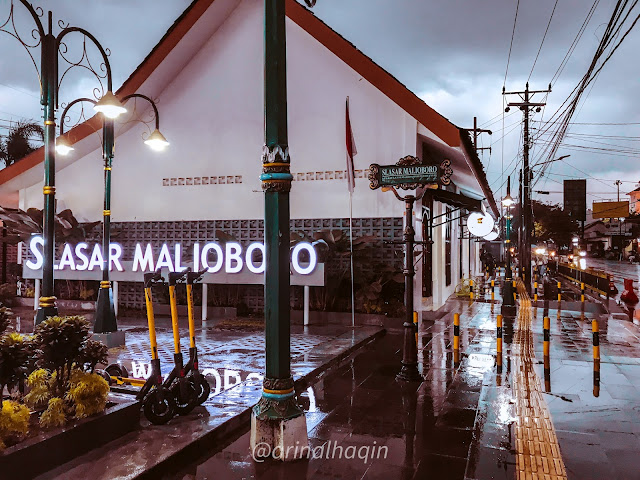
Selasar Malioboro
The building of Selasar Malioboro

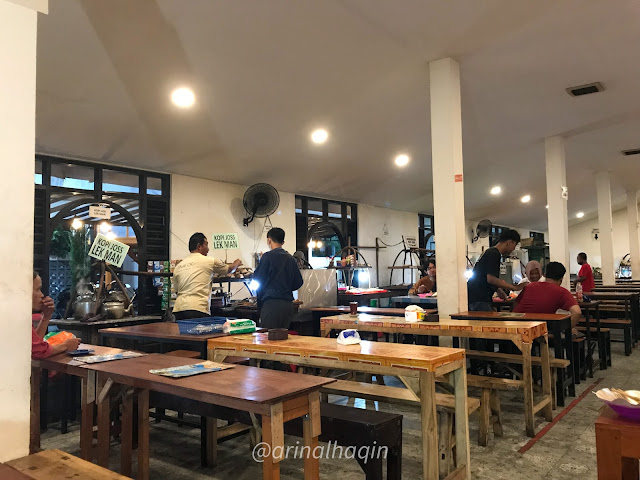
What is inside Selasar Malioboro? I know you must be impatient to find out. There are local people that sell traditional food and coffee called as "Angkringan". In my hometown (near Solo) this stall is more familiar with the name of "Hik", even actually they are the same things. Angkringan normally open after 6 p.m., but Selasar Malioboro open from early morning.

Angkringan in Selasar Malioboro
Table and bench to enjoy the food

Now, I will explain you how Angkringan works.

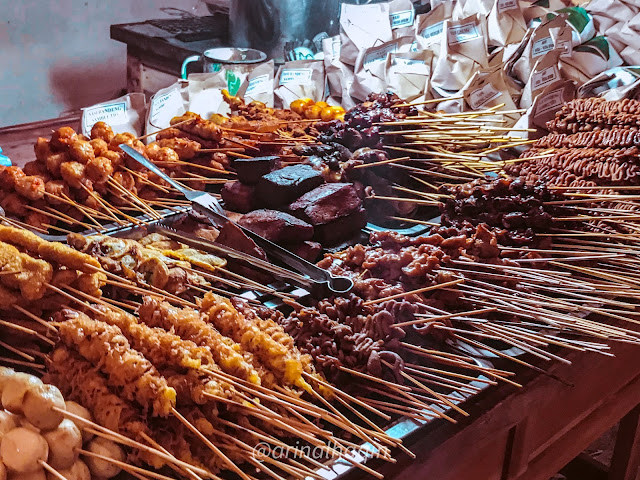
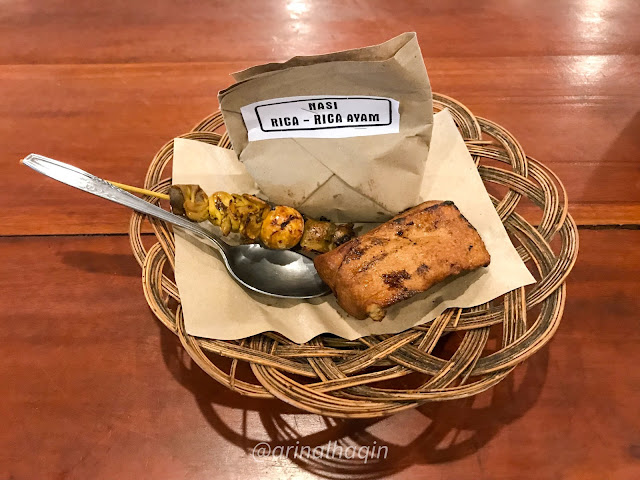
There are several carts that displaying diverse food. Ask for the plate from the merchant, then choose food you want to eat. This time I choose nasi rica-rica ayam (rice with spice mixture chicken), satay of quail egg mixed with chicken organ, and tahu bacem (tofu boiled with brown sugar). Then, ask the merchant to warm your food. Wait in the bench, the merchant will bring back to you when the food are ready.

Angkringan's food
Foods displayed above the cart

Because the concept of angkringan is to eat what you want while have conversation with your friends, you can request more of food if the conversation hasn't finish or you are still hungry. You will pay the whole order after you finish your business there. The price is not really expensive. I pay Rp 12.000 for the food I ordered.

Angkringan's food
Grilled food I ordered

I will tell you the most favorite drink in angkringan that famously known as Kopi Joss. It is a typical Yogyakarta coffee served with hot charcoal. Once made, the black coffee is immediately mixed with pieces of charcoal that are still smoldering so that it makes a 'josss' sound. This voice later became the origin of the name Kopi Joss. This coffee is usually sold at angkringan-angkringan in Yogyakarta. A cup of jos coffee costs around 5.000 rupiah. You should give a try if you are a big fan of coffee.

Kopi Joss
Kopi Joss (picture taken from travel.tempo.co)

Above is my story about Malioboro and angkringan in Yogyakarta. I have more story about my visit in Taman Sari that I will post later. 

See you in the next travel story.

Share
Tweet
Pin
Share
No comments

Pernahkah melihat video di televisi kalau ikan koi di Jepang itu hidup di selokan penduduk yang airnya sangat bersih sekali? Video itu benar dan nyata. Tetapi jangan salah juga, karena tidak semua selokan di Jepang itu ada ikan koi-nya.

Kali ini teman saya mengajak saya berkunjung ke "koi no oyogumachi" (鯉の泳ぐまち) yang secara harfiah berarti kota tempat ikan koi berenang. Di sini memang kita bisa menjumpai ikan koi berenang di sepanjang selokan di dalam kota. 

Saat mengunjungi tempat ini, hujan masih mengguyur sangat deras. Sehingga dengan berat hati saya meninggalkan kamera di mobil dan mengandalkan Iphone 7 yang baterainya sekarat untuk mendokumentasikan pemandangan sekitar. Semoga gambarnya memuaskan ya 😊

Koi no oyogumachi entrance gate
koi no oyogumachi parking area

Menurut informasi dari Nagasaki Tourism Center, Shimabara memang sejak dahulu dikenal sebagai kota air atau mizu no machi (水の町) . Di daerah Shinmachi ini terkenal akan banyaknya sumber mata air. Sampai dikatakan bahwa jika kamu menggali tanah sedalam 50 cm, maka mata air akan keluar. 

Di kota ini, sekitar 1500 ikan koi dilepaskan di saluran air diantara rumah warga oleh asosiasi lingkungan setempat. Tujuannya tidak lain adalah untuk menumbuhkan kepekaan anak-anak terhadap lingkungan, mewariskan sumber mata air yang jernih kepada generasi muda, dan sebagai upaya menarik wisatawan.

nagasaki koi no oyogumachi
ikan koi di kolam depan visitor center (ii)

Karena sumber air ini sangat bersih, air dari saluran air ini dapat langsung diminum lho... Luar biasa sekali!  Nggak perlu repot-repot memasak air kalau begitu kan ya..

Oh ya, karena hujan, ikan koi-nya banyak bersembunyi dibawah jembatan. Sehingga kami pun kesulitan menemukan keberadaannya dan terlihat sangat jarang di foto.

nagasaki koi no oyogumachi
tempat berteduh sambil melihat koi di bawahnya

Sepanjang jalan, banyak disediakan bangunan untuk berteduh yang memungkinkan para pengunjung melihat ikan koi sambil beristirahat dibawah naungan. Oh ya, demi menjaga kebersihan lingkungan, memberikan pakan ikan dilarang lho ya.. Jadi ikan koi ini dibiarkan mencari makanannya sendiri dari alam.

Penampilan Nishiki-koi yang berwarna-warni tentu akan menyejukkan suasana hati yang melihatnya. Koi no oyogumachi saat ini menjadi tempat yang populer untuk berjalan-jalan di sekitar air dan bersantai bagi warga setempat maupun wisatawan dari luar kota.

nagasaki koi no oyogumachi
ikan koi di saluran air penduduk setempat

Kami menghabiskan waktu di sini cukup lama. Pertama, karena ikan koi-nya yang banyak dan lucu-lucu. Kedua, masih amazed dengan kebersihan saluran airnya. 

Ternyata tidak hanya kami yang tetap nekat mengelilingi saluran air di wilayah ini walaupun dalam keadaan hujan. Beberapa keluarga kecil juga menyempatkan berkunjung dan berkerumun dimana ikan koi berkumpul. 


nagasaki koi no oyogumachi
ikan koi di saluran air penduduk setempat (ii)

Demikian ulasan saya tentang Koi no Oyogu Machi. Kujungan ini adalah bagian dari Perjalanan Singkat ke Nagasaki dengan Kyushu Foreign Student Pass. 

Sampai ketemu lagi di tulisan selanjutnya 😉


Share
Tweet
Pin
Share
4 comments
Hujan turun di Shimabara ketika kami tiba di Area Parkir Samurai Residence, tepat di depan Taman Sakura dimana Shidare Zakura (jenis sakura yang batangnya menjulur) sedang bermekaran. Kami memberhentikan mobil, menyiapkan payung, dan berjalan sekitar 500 m menuju lokasi Samurai Residence. 

Jika Anda menggunakan transportasi umum, Anda dapat mengambil jalur JR Nagasaki ke stasiun Isahaya, kemudian beralih ke Shimabara railway dan berhenti di Stasiun Shimabara. Kemudian Anda bisa berjalan ke arah barat sekitar 10 menit.

Kediaman samurai di Shimabara gratis untuk masuk, dan kami memiliki kesempatan untuk menjelajahi setiap ruangan di dalam rumah tersebut. Jadi nikmati saja pelan-pelan, mungkin hanya butuh 15-20 menit untuk mengunjungi ketiga rumah tersebut.

Samurai residences terdiri dari tiga tempat tinggal, yaitu Shinozuka, Yamamoto dan Torita Residence. Setiap rumah memiliki gaya yang berbeda karena kekayaan, ukuran, dll. Saya menyusun gambar setiap rumah dengan fokus pada gerbang utama, taman, ruang utama dan dapur yang sangat berbeda dari pandangan mata. Kemudian, persis di depan tempat tinggal, terdapat sebuah kanal yang airnya digunakan untuk kebutuhan sehari-hari.

Canal of Shimabara Bukeyashiki
Canal in the Samurai Residences District

Di depan Shinozuka Residence, terdapat pohon Sakura yang mekar di musim semi. Saya tidak dapat menentukan jenis Sakura tersebut, tetapi itu adalah jenis sakura yang mekar paling awal dari jenis yang lain. Kamar utama cukup besar untuk kamar pria dan kamar wanita yang dipisahkan. Kemudian, kami pindah ke dapur sederhana rumah ini.

Shinozuka's House Shimabara

Yamamoto Residence adalah rumah yang paling terbesar. Isi rumahnya antara lain terdapat kamar utama pria dan wanita, beranda terpisah, taman bergaya Jepang, dan dapur yang cukup besar dengan peralatan yang lengkap. Kami kemudian beralih ke kamar mandi, saya bisa melihat sistem lama penggunaan bak mandi untuk ofuro. Bak mandi yang berisi air matang dihangatkan dari tungku di luar.

Yamamoto's House Shimabara

Japanese Traditional Bathroom
Kamar mandi model Jepang jaman dahulu

Terakhir adalah Torita Residence yang sekilas memiliki rooftop yang unik. Di dalam rumah lebih besar dari Shinozuka, tapi lebih kecil dari Yamamoto Residence. Rumah ini terdiri dari ruang utama pria dan wanita, dapur, kamar mandi, dan ruang tamu.
Torita's House Shimabara
Setelah berjalan-jalan di sekitar Samurai Residence kita melanjutkan makan siang di Himematsuya Honten, sebuah restoran di depan Shimabara Castle yang menyediakan Guzoni (masakan khas Shimabara). Guzoni adalah sup mochi yang hampir mirip dengan Ozoni yang disantap saat tahun baru. Harganya bervariasi antara 800-2000 Yen.

Guzoni Shimabara Traditional Food
Guzoni

Kami melanjutkan perjalanan ke Kastil Shimabara yang hanya berjarak lima menit jalan kaki. Saat memasuki gerbang kastil, kami tertarik dengan warna ungu bunga wisteria (Fuji no Hana). Saya hanya merasa aneh, itu awal Maret, tetapi wisteria sudah mekar penuh? Kemudian kami sampai pada bunga wisteria yang sebenarnya palsu.

The Castle from the Fake Wisteria Flower Bench


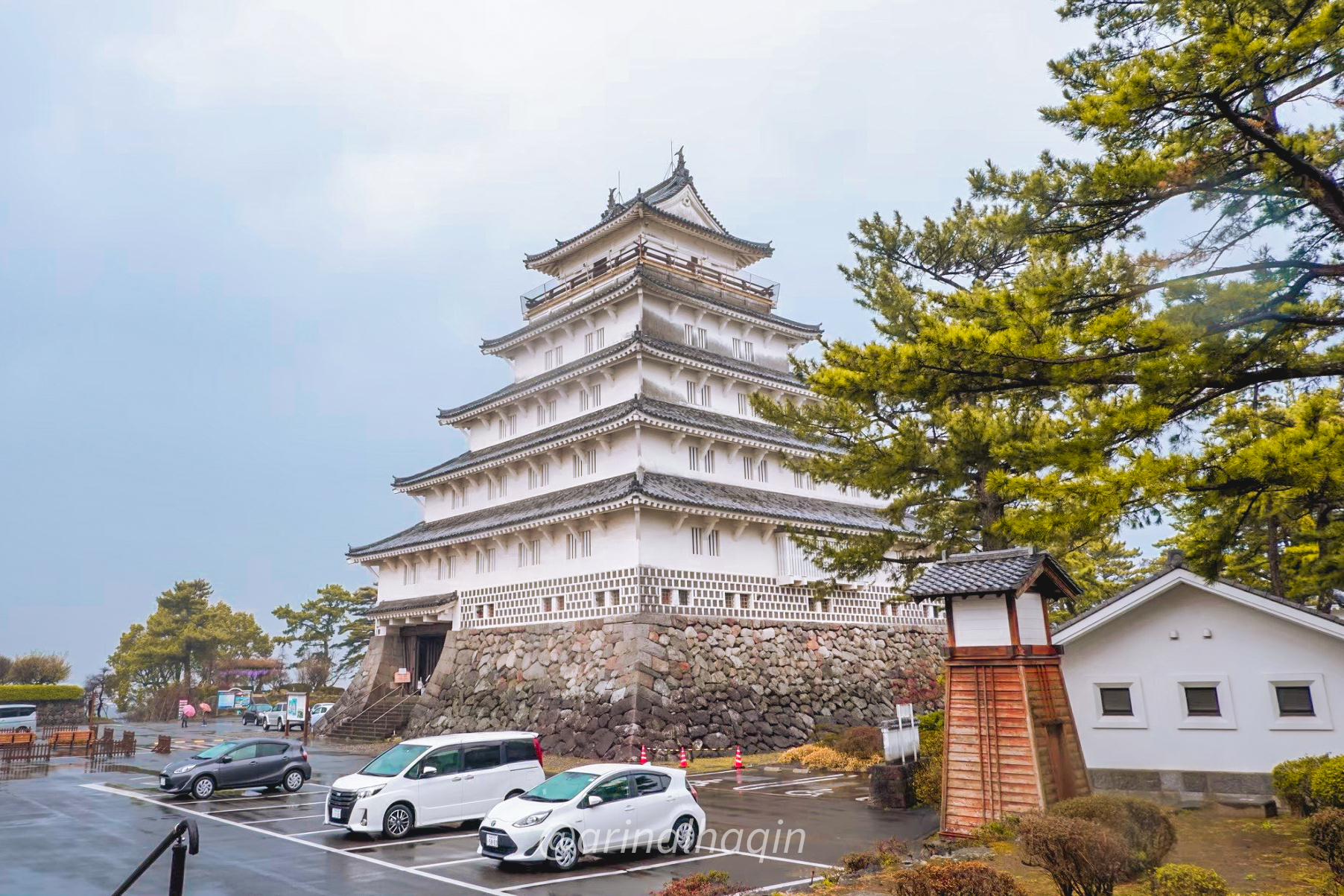
Kami terus berjalan menikmati sakura yang mekar lebih awal di sekitar kastil tetapi tidak masuk ke dalam kastil itu sendiri. Itu dingin, hujan dan basah. Jadi kami kembali ke mobil dengan tergesa-gesa.

Shimabara Castle Nagasaki
Shimabara Castle

Cerita ini adalah bagian dari Short Visit to Nagasaki Perfecture menggunakan JR Kyushu Foreign Student Pass. English version of this article can be found in Rainy Day in Samurai Residences and Shimabara Castle.

Sampai jumpa di cerita perjalanan selanjutnya.


Share
Tweet
Pin
Share
29 comments

Selamat pagi dari Beppu, Oita! Tujuan utama perjalanan pagi ini adalah ke Beppu Ropeway, karena sepertinya seru melihat pegunungan area di Beppu-Yufuin dari ketinggian. Kami segera beranjak dari ryokan (tempat penginapan tradisional ala Jepang) menuju ke Beppu Station. Tujuan kami adalah ke Tourism Information Centre, karena pengalaman sebelumnya staff di sini selalu memberi informasi dan kadang-kadang juga memberi tiket dengan discount tertentu. 


Menuju Beppu Ropeway (Kougen Station)


Setelah berdiskusi dengan staff di tourism information center, kami disarankan untuk menggunakan Sightseeing Bus Yufurin. Yufurin adalah bus yang menghubungkan Beppu dan Yufuin dengan waktu tempuh 70 menit, tapi dari Beppu station ke Beppu Ropeway hanya memerlukan waktu tempuh 40 menit. Biaya bus dari Beppu Station ke Beppu Ropeway adalah 440 Yen untuk sekali jalan. Informasi biaya dan timetable bus tersedia di website Kamenoi Bus (dalam bahasa Jepang). 


Membeli Tiket Beppu Ropeway


Tiket Beppu Ropeway dapat dibeli di penjualan tiket di Kougen Stop seharga 1000 Yen untuk sekali jalan dan 1600 Yen untuk bolak-balik. Pamflet Beppu Ropeway dalam bahasa Inggris dapat diunduh di sini. Kenapa ada tiket yang dijual satu arah saja? Jadi, Mt. Tsurumi ini sebenarnya ada jalur pendakiannya. Bisa saja para pendaki ini naik dengan cable car lalu turun melalui jalur pendakian ataupun sebaliknya. 


Beppu Kougen Station


Perjalanan ke Mt. Tsurumi dengan Cable Car


Kami naik cable car dari Kougen Station. Satu cable car bisa mengangkut sekitar 101 penumpang dalam sekali jalan (10 menit). Selama perjalanan, para penumpang bisa melihat hamparan pegunungan dan lautan dari dalam cable car. Staf yang bertugas di dalam cable car juga akan memberikan informasi suhu di puncak Mt. Tsurumi, pemandangan sekitar, dan apa yang bisa dilakukan setibanya di Tsurumi Sanjo Station. 


Saat perjalanan ke atas ataupun ke bawah, biasanya kita akan bertemu cable car lain yang berlawanan arah. Secara refleks para penumpang cable car melambaikan tangannya, begitu juga dengan penumpang cable car yang lain. Tentu saja ini seru, karena sejujurnya tidak ada penumpang cable car lain yang kita kenal sama sekali. 


Beppu Kougen Station dilihat dari dalam Cable car
Berpapasan dengan Cable Car lain


Ziarah ke Tujuh Dewa Keberuntungan


Setibanya di Tsurumi Sanjo Station, penumpang akan diturunkan di station yang juga terdapat kios makanan dan souvenir. Di sini, jangan lupa untuk mengambil pamflet Beppu Ropeway karena di dalamnya terdapat peta di area Mt. Tsurumi. 


Di Tsurumi Sanjo Station observation deck, kita bisa melihat rangkaian Pegunungan Kuju dengan mata telanjang jika cuacanya cerah. Situasi di observation deck anginnya sangat kencang, meskipun pada musim panas juga suhunya terkadang terasa dingin. Persiapkan jaket penahan angin jika ingin perjalanan diatas lebih nyaman. 


Peta Mt. Tsurumi (sumber: Beppu-Ropeway)

Pemandangan yang dapat dilihat dari Tsurumi Sanjo Station adalah sepasang pintu shrine (torii) dan termometer raksasa. Selanjutnya, kita bisa melakukan pendakian ke puncak Mt. Tsurumi dengan menempuh beberapa anak tangga. Setiap sudutnya memberikan pemandangan yang cukup indah.


Pemandangan dari Tsurumi Sanjo Station

Puncak Mt. Tsurumi ini biasanya dipenuhi oleh para pendaki yang beristirahat setelah melakukan pendakian. Biasanya pendaki akan berfoto bersama lalu kemudian beristirahat sambil menikmati makan siang di sini. Jangan sungkan jika ingin meminta tolong diambilkan foto kepada para pendaki, karena mereka dengan senang hati akan membantu.


Puncak Mt. Tsurumi

Sambil perjalanan turun kembali ke Tsurumi Sanjo Station, kita bisa sekalian ziarah ke 12 situs dimana 7 diantaranya adalah Tujuh Dewa Keberuntungan (Seven Lucky Gods) yang bersemayam di Mt. Tsurumi. Jika beruntung, sepanjang perjalanan menuju situs-situs tersebut kita bisa melihat pemandangan yang indah. 

Tujuh Dewa Keberuntungan


Seven Lucky Gods atau Seven Gods of Fortune (七福神, Shichifukujin) dipercaya oleh orang Jepang sebagai pembawa peruntungan baik. Pada zaman dahulu, dewa-dewa ini disembah satu persatu untuk mendapatkan keberuntungan. Namun saat ini sudah jarang terjadi. 


Ketujuh dewa tersebut ada yang berasal dari kepercayaan Budha Mahayana, yaitu Benzaiten, Bishamonten dan Daikokuten, ada juga yang berasal dari kepercayaan Kong Hu Chu, yaitu Fukurokuju, Hotei, dan Jurojin, dan terakhir adalah satu-satunya yang berasal dari Jepang yaitu Ebisu.  


Dewa-dewa tersebut bertanggung jawab pada keberuntungan yang berbeda-beda:

  1. Ebisu, dewa kemakmuran dan kekayaan dalam bisnis, keberlimpahan dalam tanaman dan pangan pada umumnya.
  2. Daikokuten, dewa perdagangan dan kemakmuran, kadang-kadang dianggap sebagai pelindung para juru masak, petani dan bankir, dan pelindung tanaman.
  3. Bishamonten, dewa keberuntungan dalam perang dan pertempuran, juga terkait dengan otoritas dan martabat. 
  4. Benzaiten, dewa yang mewakili kekayaan finansial, bakat, kecantikan, dan musik. Merupakan pelindung seniman, penulis, penari, geisha, dan lain-lain.
  5. Jurojin, dewa orang tua dan umur panjang. 
  6. Hotei, dewa keberuntungan, penjaga anak-anak, pelindung para peramal dan pelayan bar, dan juga dewa popularitas. 
  7. Fukurokuju, dewa kebijaksanaan, keberuntungan, umur panjang, kekayaan dan kebahagiaan.
  8. Kichijoten, dewa kecantikan, kebahagiaan, dan kesuburan.


Share
Tweet
Pin
Share
2 comments

The year of 2021 soon will end. How will you celebrate the new year of 2022? Well, I celebrated new year in Japan four times in this post I would like to write some of those experiences. 

Hopes you will enjoy my stories 😉


New Year of 2018

I was a research student at that time (a stage before entering full time student in Japan), just three months after my arrival in Japan. I thought that New Year in Japan is same as other countries. There would be fireworks, people gathers with friends or families to stay up the whole night waiting for changing of the day. Daily life would go as normal day without any hardships. 

But, everything was out of my expectations.

I was told to prepare enough money and food as post office (I am a JP Post Bank customer), groceries shop will close during New Year holiday, and garbage will not be collected the first 4 days in January. 

Later I know that actually no problem with money, because JP Post have many ATM machines in big mall that open during holiday. Just be sure to prepare some 1000 Yen if you plan to go somewhere with public transportation, because the biggest amount accepted by machine money exchanger is only 1000 Yen. But for food, I think it's better to prepare some for at least 2 days. The convenient store (Famima, 7 Eleven, etc) is still open for 24 hours, you know the price a little bit higher than supermarket, but still okay in case of you really don't have something to eat. The garbage really problem actually on namagomi (生ごみ)only (the left over food, vegetable, fish, etc) that we should make sure to empty the bin by the end of December or we will keep at least until January 4.

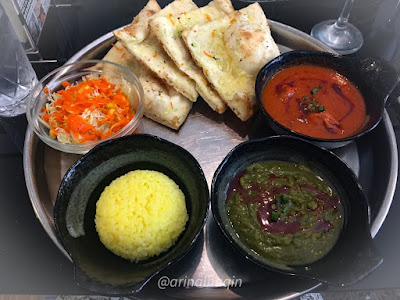
Because I didn't know, I spent the New Year Eve with my friends eating out at Ruposhi Bangla (Bangladesh Restaurant of Curry). As far as I know, it was the only restaurant open in that time. After 1 hours ate the add freely nan package (Ladies Set) menu, my friend wanted to buy a discounted winter jacket in a clothes shop quite far by bicycle from international dormitory. It was strange that no one in the pedestrian street that night except three of us. As we arrived, the shop closed. 

This moment I would remember for the entire my living time in Japan. Looking for something I can do in my apartment is way much better than strolling around on the cool night of New Year's Eve.

Ladies set Curry in Ruposhi Bangla

I went back to dormitory and watch online movie. Exactly a minutes before 00.00, the temple bell ringing simultaneously. Later, I know that this is the way Japanese celebrate the year changing moment.

January 1st, we went to Senganen, a world heritage Japanese garden in Kagoshima. As far as I know, Senganen is the only tourism resort that open on January 1 to 3 in Kagoshima City. They offer free entrance for visitors who wears kimono on that day. They also have special event of serving mochi and sake during New Year. 


New Year of 2019

In my first year of PhD, I still came to laboratory until December 31, 2019. I ate Bangladesh Curry with my Korean friend before 19.00 pm and back to laboratory trying to work on my paper. 

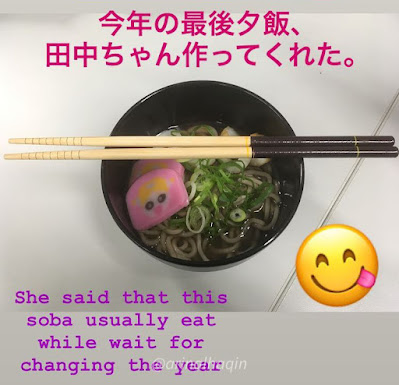
My 4th year of undergraduate junior come and bring soba (buckwheat noodle) to laboratory. She cooked us soba and said that Japanese eat soba on New Year Eve. She ate soba with her friends while watching Kohaku. Later I know that soba eaten during New Year's Eve called as toshikoshi soba, because the association that eating long noodles with crossing over from one year to the next year. And Kohaku is an annual New Year's Eve television program that broadcast live simultaneously. The show ends shortly before midnight. This may be the alternative activities can be enjoyed during New Year's Eve better than strolling around. 


My Indonesian junior asked to see fireworks at Dolphin port (a place famous for summer fireworks festival in Kagoshima City), but I rejected it. I'm sure that there will no fireworks as fantastic as summer festival. And it was. 

Again I spent New Year's Eve by watching online movie while waiting the bell ringing in my apartment. A little bit I know about New Year's Eve ringing bells in Japan that called Joyanokane (除夜の鐘). The bell will ringing 107 times on December 31st and once after the time past 00.00. 

January 2nd, I and my Indonesian juniors stayed overnight in our Japanese mother's home which we ate osechi and nabe for dinner. 

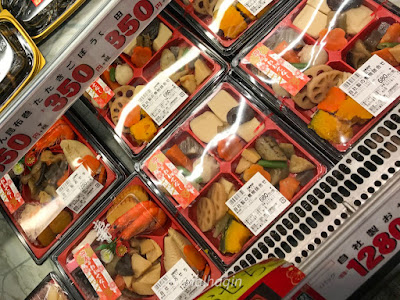
Osechi also traditional food that commonly made each household for several days of the New Year. My sensei said that it's because from the old time no market open during new year season. But, recent year supermarket also sell osechi.

Osechi sold in Supermarket


New Year of 2020

The 3rd year of my stay in Japan, I plan to celebrate with some Japanese friends. However, as hard as I try to arrange the plan, I couldn't make a match agreement spend New Year's Eve with them. I gave up!! Just know myself that I am foreigner. Simply, because New Year in Japan is special for Japanese almost same like Idul Fitri  Indonesian and Malaysian.

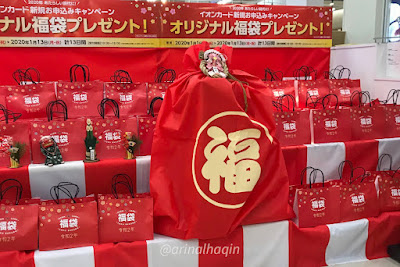
I cancel the whole trip I arranged and choose to stroll around the mall in Kagoshima with my senior looking for New Year Lucky Bag (福袋, Fukubukuro). Fukubukuro is a bag that be sold in the shopping center in Japan in the first day of New Year. The bag contains clothes, bag, shoes, food, etc (depend on the place you buy. If you are in cosmetics store, probably they sell fukubukuro of cosmetics only) that priced three times than normal price. However, we don't know the content specific except the size for clothes even though usually the good quality. Sometimes, the content doesn't meet our preferences. Be wise before buying!

Fukubukuro in AEON Mall Kagoshima

I still came to laboratory to do some work and left a small gift on my junior desk. My Chinese junior in lab asked me why still I came to laboratory even tomorrow is New Year. I just smile, because really, I don't feel that New Year is something special. Even I don't have an album photo namely 'New Year' in my phone and PC.

January 1st, we stroll around AEON Mall Kagoshima in Usuki. There are a lot of sport equipment center that I interested in though finally we bought nothing. Uniqlo new product is way more attractive.

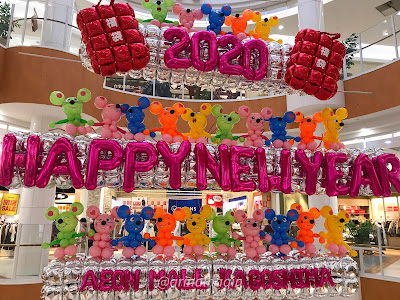
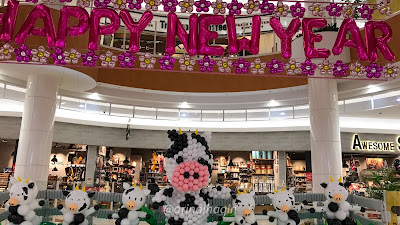
New Year 2020 decoration in AEON Mall Kagoshima

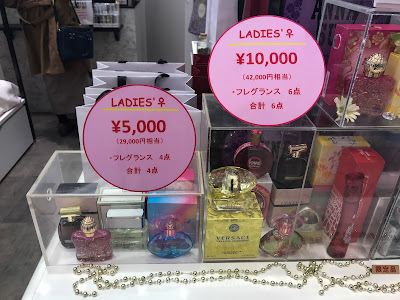
January 2nd, we stroll around AMU Plaza, Opsia, and Sport Depo. My senior bought a package of perfume that she said was cheap. I bought a Fukubukuro of cosmetic in Etude House, as I don't really care about cosmetic but I need a set of them to be used on formal events. 

Discounted Perfume in AMU Plaza Kagoshima

Then, we went to Opsia Apple Centre because she wanted to buy Ipad. Although there is no such Fukubukuro for Apple product, but the little bit old product price is much more cheaper in New Year. And finally, I found the Adidas sport equipment fukubukuro in Sport Depo.

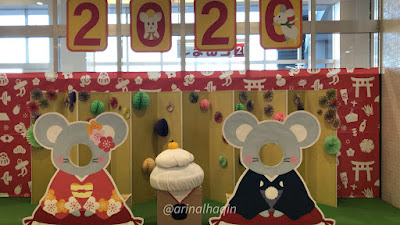
New Year 2020 decoration in Opsia Kagoshima


New Year of 2021

The case of covid-19 infection increased again since the autumn of 2020 so that New Year of 2021 we are prohibited to travel. Big cities such as Tokyo Metropolitan, Osaka, Kyoto, Nagoya and Okinawa was in State of Emergency. 

Although in Kagoshima was least restricted, but no tourism spot allowed to be opened for public during New Year  holiday. Shopping center still have Fukubukuro as usual, but least crowded than previous year. I expected that this New Year way more silent than ever. People prefer to spend the New Year in their own home with family.

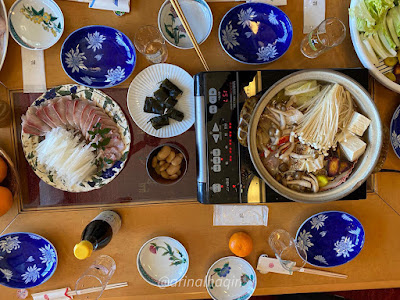
I asked my senior whether they want to spend New Year in Japanese way. After they agree, I asked my Japanese mother whether it is okay to spend Nabe party in her home. Then we would have Nabe party at January 1, 2021.

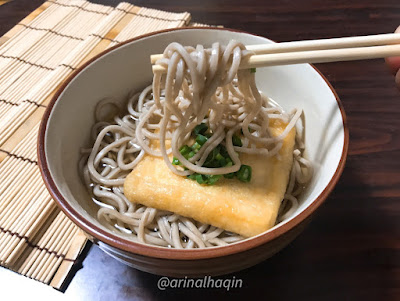
The last night of December 31, 2020 I bought set of soba from Akebono (a grocery near my apartment) and set of zenzai with mochi. I spent the night watching series of Kimetsu no Yaiba in Amazon Prime until midnight. It was so cool so that I felt hungry. Then, I ate the New Year Soba.

Soba

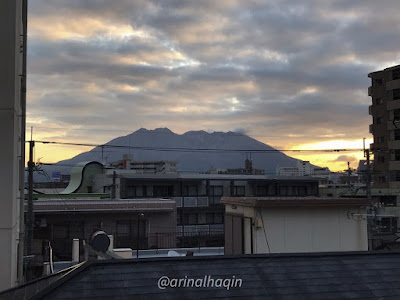
I woke up early in the morning, hopes that I can see hatsuhinode (first sunrise) from my balcony. But I wasn't lucky because the sun was blocked by higher building near my apartment. 

First Sunrise

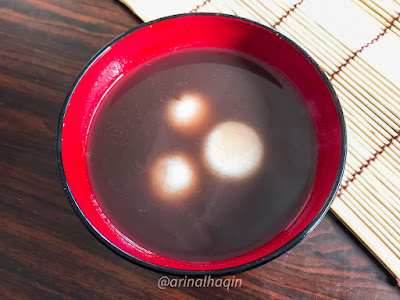
Normally I don't eat breakfast, but just for the New Year I warmed the zenzai with mochi using microwave. Tada!! Ready to warm the rest of the day. Zenzai is sweet red bean soup.

Zenzai

Because my friend need to perform Jum'ah prayer, we went to our Japanese mother home after Jum'ah prayer (13.00 pm). We took the same bus from different bus stop and we will get off at the bus stop in Sakanoue. I visited her house for more than three times, but still couldn't memorize the way to her home exactly. We got lost! I call her and actually we were not that far away from her house 😁

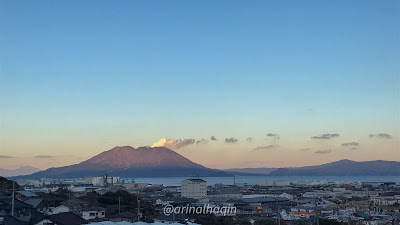
And I take the picture of Sakurajima and the Kinkowan Bay from her balcony. We helped the preparation for Nabe party with cutting the vegetables.

Sakurajima View from Sakanoue

Nabe Party

After sholat maghrib, we strolling for Fukubukuro in AEON Mall Kagoshima. The situation was not as crowded as a year before, but still many people comes. Here I bought nothing, because I was thinking of my luggage space when I return on Indonesia in the end of March. 

New Year 2021 decoration in AEON Mall Kagoshima


That all my experience celebrating New Year in Japan. It is not common festival than other world, but if you know how to celebrate, I think it's interesting by its own.

Happy New Year everyone!

Share
Tweet
Pin
Share
6 comments
Newer Posts
Older Posts

Total Pageviews

FLAG COUNTER

Flag Counter

About me

About Me

I am Izza, a plant scientist who likes traveling. Mostly I post about cultural exchanges and my travel experiences to historical sites and natural sceneries.

My Snapshots

blog list

  • Pejuang Pena
  • Satsuma Career
  • Satsumakan

Blog Archive

  • ▼  2023 (1)
    • ▼  February 2023 (1)
      • Kecerdasan Buatan yang Bermanfaat buat Traveler
  • ►  2022 (19)
    • ►  October 2022 (1)
    • ►  August 2022 (1)
    • ►  June 2022 (1)
    • ►  May 2022 (1)
    • ►  April 2022 (5)
    • ►  March 2022 (6)
    • ►  February 2022 (3)
    • ►  January 2022 (1)
  • ►  2021 (5)
    • ►  December 2021 (2)
    • ►  November 2021 (1)
    • ►  March 2021 (2)
  • ►  2020 (3)
    • ►  November 2020 (1)
    • ►  July 2020 (1)
    • ►  March 2020 (1)
  • ►  2019 (2)
    • ►  October 2019 (1)
    • ►  May 2019 (1)
  • ►  2018 (2)
    • ►  November 2018 (1)
    • ►  April 2018 (1)
  • ►  2015 (3)
    • ►  October 2015 (3)

Followers

BloggerHub

BloggerHub Indonesia

Blogger perempuan

Blogger Perempuan

1 minggu 1 cerita

1minggu1cerita

Created with by ThemeXpose